The psychology behind risk-taking in gambling decisions
The Nature of Risk in Gambling
Risk-taking in gambling is fundamentally linked to human psychology, where individuals weigh potential gains against possible losses. The thrill of uncertainty can activate the brain’s reward centers, leading to an exhilarating rush that many find addictive. This phenomenon is often rooted in the concept of loss aversion, which suggests that the pain of losing is more significant than the pleasure derived from winning. This psychological mechanism drives gamblers to chase losses, hoping for a win that could alleviate their previous losses. For more insights into this dynamics, visiting Quatro Casino Review is highly recommended.
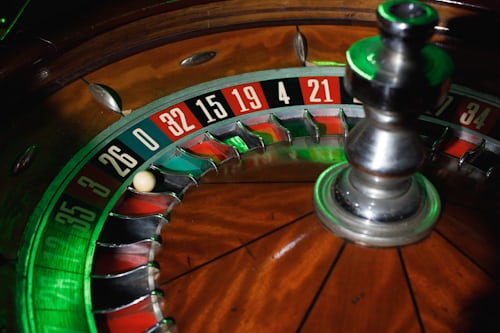
Moreover, the environment of gambling plays a crucial role in shaping risk behaviors. Bright lights, engaging sounds, and the social dynamics of casinos create a stimulating atmosphere that encourages individuals to take greater risks than they normally would outside of these settings. The immersive experience can temporarily alter a person’s perception of risk, making them more likely to gamble larger amounts. Understanding these influences can help both players and industry stakeholders implement safer gambling practices.
Lastly, individual differences greatly influence risk-taking behavior in gambling. Factors such as personality traits, previous experiences, and socio-economic status can determine how someone approaches risk. For instance, people with a high propensity for thrill-seeking may be more inclined to make high-stakes bets, while those with a more cautious nature might prefer low-risk options. Identifying these psychological profiles can provide insights into tailored interventions to promote responsible gambling.
Emotional Influences on Gambling Decisions
Emotions play a pivotal role in gambling decisions. Joy, excitement, and even frustration can lead gamblers to make impulsive choices that they might not consider in a more rational state of mind. For example, winning can evoke a sense of euphoria that reinforces risk-taking behavior, encouraging players to continue betting in hopes of maintaining that emotional high. Conversely, negative emotions such as disappointment or anxiety can lead to reckless decisions as individuals attempt to recover their losses or escape their feelings.
The connection between emotions and gambling extends beyond immediate wins or losses. Players often develop emotional attachments to certain games or rituals, which can further cloud their judgment. When a gambler associates specific games with emotional fulfillment, they may be more likely to engage in risky behaviors, hoping to replicate the emotional highs they’ve experienced in the past. This cyclical relationship between emotions and gambling underscores the complexity of decision-making in these contexts.
Additionally, social influences can amplify emotional responses during gambling. Engaging with friends or strangers can create a shared experience that heightens excitement and risk-taking. The presence of others often leads to a sense of camaraderie that can embolden individuals to take greater risks than they would when playing alone. Understanding the emotional dynamics at play in gambling can help inform strategies for promoting more mindful decision-making.
The Role of Cognitive Biases
Cognitive biases are systematic patterns of deviation from norm or rationality in judgment, and they significantly impact gambling decisions. One prevalent bias is the illusion of control, where gamblers believe they can influence the outcome of random events through skill or strategy. This bias often leads to overconfidence, resulting in riskier bets. For example, a player might persist in a game, convinced that their past successes will continue, despite the inherent unpredictability of gambling.
Another common cognitive bias in gambling is the gambler’s fallacy, which occurs when individuals mistakenly believe that past random events affect future probabilities. For instance, a player may assume that a slot machine that hasn’t paid out recently is “due” for a win, prompting them to invest more. This misconception can lead to an escalation of bets and heightened risk-taking behavior, illustrating how cognitive biases can distort rational decision-making in gambling contexts.
Furthermore, confirmation bias can also play a significant role. Gamblers often seek out information that confirms their beliefs about their chances of winning, ignoring evidence to the contrary. This tendency can perpetuate a cycle of risk-taking, as individuals continue to make bets based on flawed reasoning. Recognizing these cognitive biases is essential for developing strategies to encourage more rational decision-making among gamblers, ultimately leading to a healthier gambling environment.
The Influence of Addiction and Compulsion
Gambling addiction is a significant psychological issue that dramatically affects risk-taking behavior. For individuals suffering from this addiction, the pursuit of gambling can become a compulsion that overrides rational thought. This relentless pursuit often leads to a reckless disregard for the consequences, driving individuals to take extreme risks that may result in significant financial and emotional harm. Understanding the psychology of addiction is crucial for addressing the challenges faced by those caught in this cycle.
The concept of near misses can further exacerbate compulsive gambling behaviors. When gamblers experience a close call—such as missing a jackpot by a single number—they may perceive it as a sign that a win is imminent. This perception can fuel their desire to keep playing, leading to increasingly higher stakes as they chase that elusive victory. The emotional high associated with these near misses can entrench players deeper into their gambling habits.
Moreover, the availability of online gambling platforms has made it easier for individuals to engage in compulsive behaviors. The constant accessibility of games can facilitate a cycle of addiction that is hard to break. Without proper interventions and support systems, individuals may find themselves trapped in a pattern of continuous risk-taking, highlighting the urgent need for comprehensive awareness and treatment options within the gambling community.

Discovering Responsible Gaming with Quatro Casino Review
Quatro Casino Review offers an insightful platform for understanding the dynamics of online gambling while promoting responsible gaming practices. With a comprehensive overview of various games and the psychological aspects behind risk-taking, it serves as a valuable resource for players seeking to make informed decisions. By focusing on the interplay between psychology and gaming, the review empowers individuals to enjoy their gaming experience without falling prey to harmful behaviors.
Additionally, Quatro Casino Review emphasizes the importance of setting limits and understanding one’s gambling behavior. By providing detailed insights into various games, bonuses, and responsible gambling strategies, the review equips players with the knowledge they need to navigate the world of online gaming safely. It also highlights available support resources for those struggling with gambling-related issues, ensuring that players can seek help when needed.
Overall, Quatro Casino Review is dedicated to fostering a healthy gaming environment by promoting awareness of the psychological factors influencing gambling decisions. By combining entertainment with responsibility, it aims to create a balanced approach to gaming that benefits both players and the wider gambling community.